You Can Still Build a Business After Injury, Burnout, or Diagnosis. Here’s What I’ve Learned.
I know some founders wonder if pain or setbacks mean their dreams are over. The uncertainty—whether injury, burnout, or diagnosis will ruin ambitions—can feel overwhelming.
You need to know: Your ambition is not over.
In 2022, my life changed permanently due to a simple accident that resulted in a life full of chronic pain, a brain injury, and neurodivergence. Now, I manage work in short, 15-minute focus windows, with rest in between. Some mornings, it takes an hour just to start my day. Small things—like the ache after a few emails, or mental fog following a brief call—shape how I move through work and life. These are my daily realities.
Despite these challenges, I still run two businesses. My journey—and the strategies that have helped me adapt—might offer a path forward for others facing similar realities.
Whenever I share my injury, people react the same way. First comes sympathy, then a quiet question in their eyes:
“How do you run businesses?”
Let me make this clear.
If you experience injury, burnout, diagnosis, or reduced capacity, it’s natural to wonder if you’re still enough. But your value and your ability to own a business remain. Adapting matters; your goals are still possible.
Everything changes—but possibility and growth remain when you adapt your business.
Key takeaway: By intentionally adapting your business structure to meet new limitations, you can achieve stronger growth, higher client retention, and more time for well-being. Growth may look different, but it can be more stable and rewarding.
 What Happened in 2022
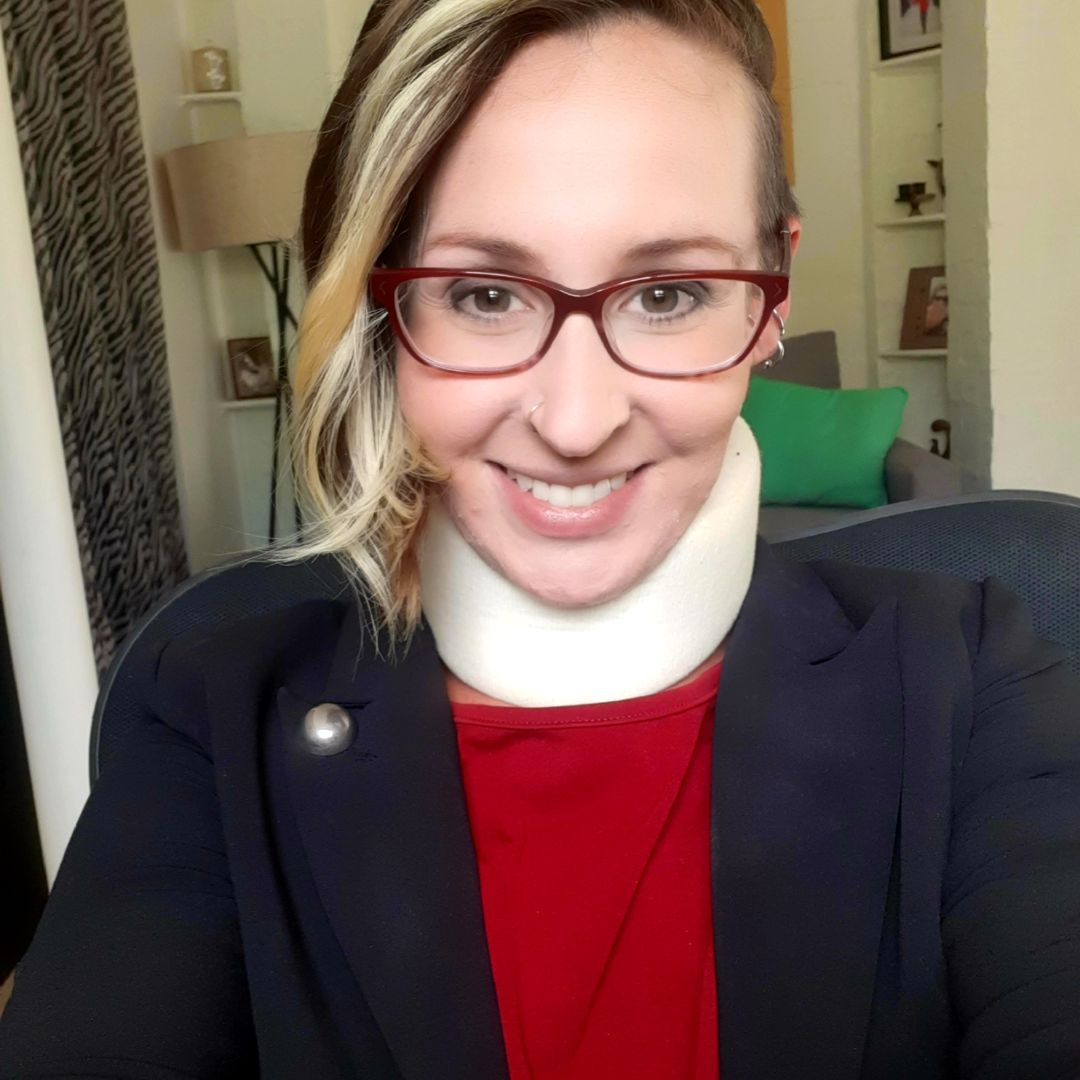
In 2022, I experienced an accident that left me with permanent brain damage and chronic pain. This was not a situation where I could take six weeks off and recover.
- It reshaped how I work.
- How I think.
- How long I am able to concentrate.
- How much I can physically do in a day.
Some days, all I can do is get out of bed and make it through. And that has to be enough. This was not a mindset issue. It was a physiological reality. But here is what I realised. The world assumes productivity equals worth, and when your capacity changes, it can feel like your worth is under threat.
That belief is not only wrong but also dangerous.
The Big Misconception About Injury and Business
There is a deeply ingrained belief that injury or chronic illness means your professional life shrinks.
- That your ambition should shrink.
- That you should quietly accept less.
Injury does not end your life, your goals, or your business-building ability. You move forward by adapting. Adapting your business structure is not optional—it’s essential for sustaining your ambitions. Adjusting your systems lets you keep moving forward, even when everything changes.
To make this concrete, here’s what my business looked like before and after:
- Old structure: Reactive workflow, responding to client requests as they came in, stretching my energy thin across scattered meetings and custom projects. No clear boundaries on availability or task types.
- New structure: My availability is mapped to my energy and mental functions. Work now occurs in short, focused blocks aligned with my capacity. Instead of chasing every opportunity, I focus on work that is sustainable and aligned with my overall goals and values.
Making this pivot wasn’t easy, but the difference is night and day. It provided me with stability and gave my clients a much better experience. Many people living with chronic pain or neurodivergence choose entrepreneurship for a reason. It lets your work adapt to your body, not the other way around.
It allows for:
- Flexible energy days
- Boundaries around capacity
- Systems that reduce cognitive load
- Work that aligns with values instead of draining them
Chronic pain means you must plan ahead and build consistent systems to avoid burnout. Make intentional decisions and routines part of your business to support long-term wellbeing and success. When done right, entrepreneurship is not about hustle culture. It is about having autonomy.
Why Many People With Chronic Pain Create Businesses
I care deeply about supporting this. There are more founders in this space than people realise.
They are building businesses:
- Not because they want to grind harder.
- But because they need flexibility.
- Because traditional employment structures do not accommodate fluctuating capacity.
- Because they want to contribute meaningfully to their community without burning out.
But here is the thing…
When you design your business around your real energy, you create better results through smarter systems. Working smarter, with intention, leads to sustainable progress.
Not despite your condition. But because you are forced to build smarter. Instead of relying on willpower, you build systems. Instead of pushing through exhaustion, you set boundaries. Instead of chasing every opportunity, you prioritise sustainability.
At The Growth Manager, our mentoring is built on three memorable pillars: Foundation First, Progress Pace, and Human-First Help. We believe in building strong business roots before focusing on flashy wins, measuring success by steady progress at a pace that works for you, and offering real support tailored to people rather than relying on off-the-shelf answers.
You do not need more pressure.
You need a structure that respects your capacity.
The Reality of Bad Days
Let me be honest.
- There are days when pain is all-encompassing.
- There are days when the win is simply showing up.
- There are days when productivity looks different.
But here is something I did not expect…Having goals during hard seasons does not add pressure. It adds light.
When you face chronic pain, burnout, or a diagnosis, working toward a personal goal can anchor and motivate you. Hold onto your purpose; it truly makes a difference.
Purpose and pain can coexist.
You do not need to wait until you are “better” to start. You need a plan that fits the season you are in.
Why I Am More Successful Now
This is the part people find surprising. And it’s my favourite part of the conversation.
After I rebuilt my life and work structure around my limitations, my annual recurring revenue increased, my client retention rate doubled, and my working hours decreased, making more time for rest and well-being. The past two years have shown that intentional adaptation makes growth possible, sustainable, rewarding, and financially smart.
Not because the injury made things easier. But because it forced clarity.
Here is what changed:
- I stopped overworking.
- I stopped saying yes to everything.
- I built tighter systems.
- I protected my calendar.
- I prioritised high-impact work.
I learned to work in flow instead of force.
Today, the structure of The Growth Manager mentoring sessions reflects this approach. Clear frameworks. Defined session formats. Personalised strategy. Boundaries are built into systems.
Try this core practice: Set a focused daily work block for a high-impact task, then take a sensory reset. Such habits support clarity and well-being, especially if your capacity varies. Start small and adjust as needed for lasting benefits.
Growth happens when you design work for your needs—not by working more. My success did not come despite the injury. It came because I rebuilt everything intentionally.
The Fear No One Talks About
There is something I hear repeatedly from founders living with chronic pain, neurodivergence, or reduced capacity.
“I don’t want to be a burden.” It is a quiet fear.
- You want to contribute.
- You want to give back.
- You want to provide.
- You do not want to take more than you give.
This fear is common. And it is understandable.
But here is what I have learned…Building a business is not selfish. It is a contribution. It is creating value. It is design work that allows you to show up in a way that honours your reality, capacity, and ambition.
Building sustainably benefits everyone around you. Clients receive consistent care, your family gains your presence, and you demonstrate that being mindful of capacity leads to better contributions. Our entire mission at The Growth Manager is to help founders create businesses that work for their lives, not against them. That includes founders navigating injury, burnout, diagnosis, or neurodivergence.
Let me bring this together. What does this journey look like now?
Remember…
- If you’re building a business with chronic pain, remember: success is possible when you adapt.
- If you are navigating entrepreneurship after injury.
- If you are a neurodivergent business owner trying to create structure in a world that overwhelms you.
- If you are recovering from burnout and are unsure whether you can keep going.
You can still build your business.
It just will not look like someone else’s version.
- Your pace may be different.
- Your structure may be different.
- Your boundaries will need to be stronger.
Different does not mean less valuable. Often, taking a different path to business success brings more wisdom and resilience. Value your unique journey.
It means you build:
- Sustainable business growth
- Energy-aware workflows
- Clear client boundaries
- Systems that support you
- Offers that align with your strengths
It means you stop comparing yourself to hustle culture and start focusing on alignment. Not a Pitch.
If you are building a business while navigating chronic pain, injury, burnout, or neurodivergence, and you want to talk to someone who understands both growth and reality, you are welcome here.
This is not a sales trap.
Our Growth Review Sessions are structured conversations designed to:
- Review your current workload
- Identify pressure points
- Simplify your growth strategy
- Design around your capacity
Our mentoring approach is based on having a conversation. We are here to treat you as an individual person wanting to achieve something incredible. Therefore, each session is personalised, structured, and people-first.
If you want clarity without pressure, strategy without hustle, and support from someone who has lived it, book here:
https://thegrowthmanager.com.au/product/growth-review-mentoring-session/
You are not behind.
You are not disqualified.
You are not a burden.
You are capable of building something meaningful.
It will look different.
You can achieve business success, even if it looks different from others. Your version matters. Move forward with confidence.
You. Can. Do. This.